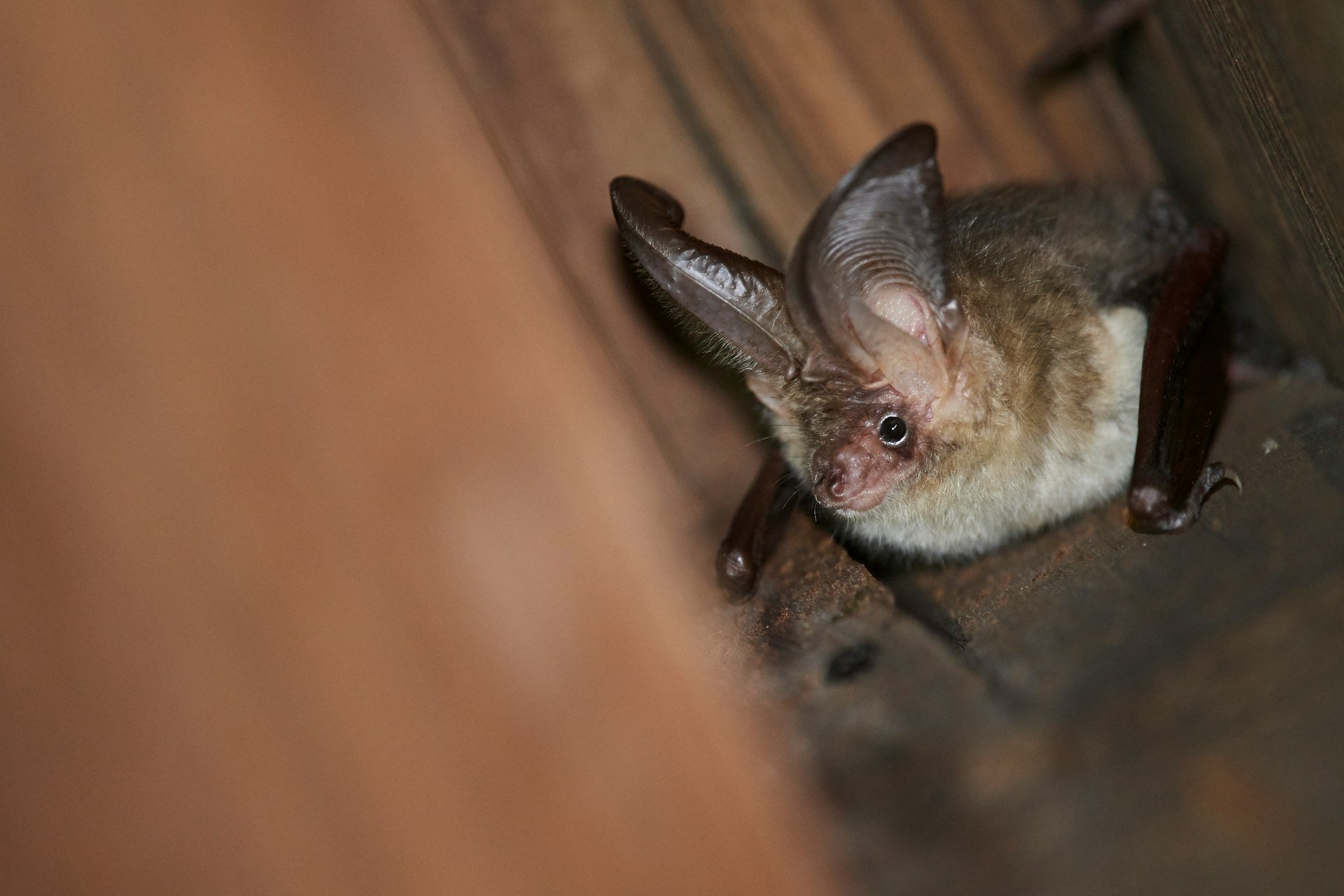
The UK is home to 18 species of bats, all of which are protected by law. Of these, 14 species will use trees as their temporary or permanent roosts. Trees can provide corridors or pathways between other major roosts, like caves and cliffs, and can also be permanent homes for some tough species which don’t need to hibernate underground in the winter.
As tree surgeons, we need to keep a good weather eye out for bats and bat activity at all times. To put it very simply, bats will fit themselves into gaps! Sometimes these gaps can look impossibly small, however when you consider that the tiny pipistrelle, our most common bat, only weighs up to 5g and measures up to 5cm in body length these tiny spaces start to make a bit more sense! Below are a few examples of possible bat features in trees, all on the same estate:
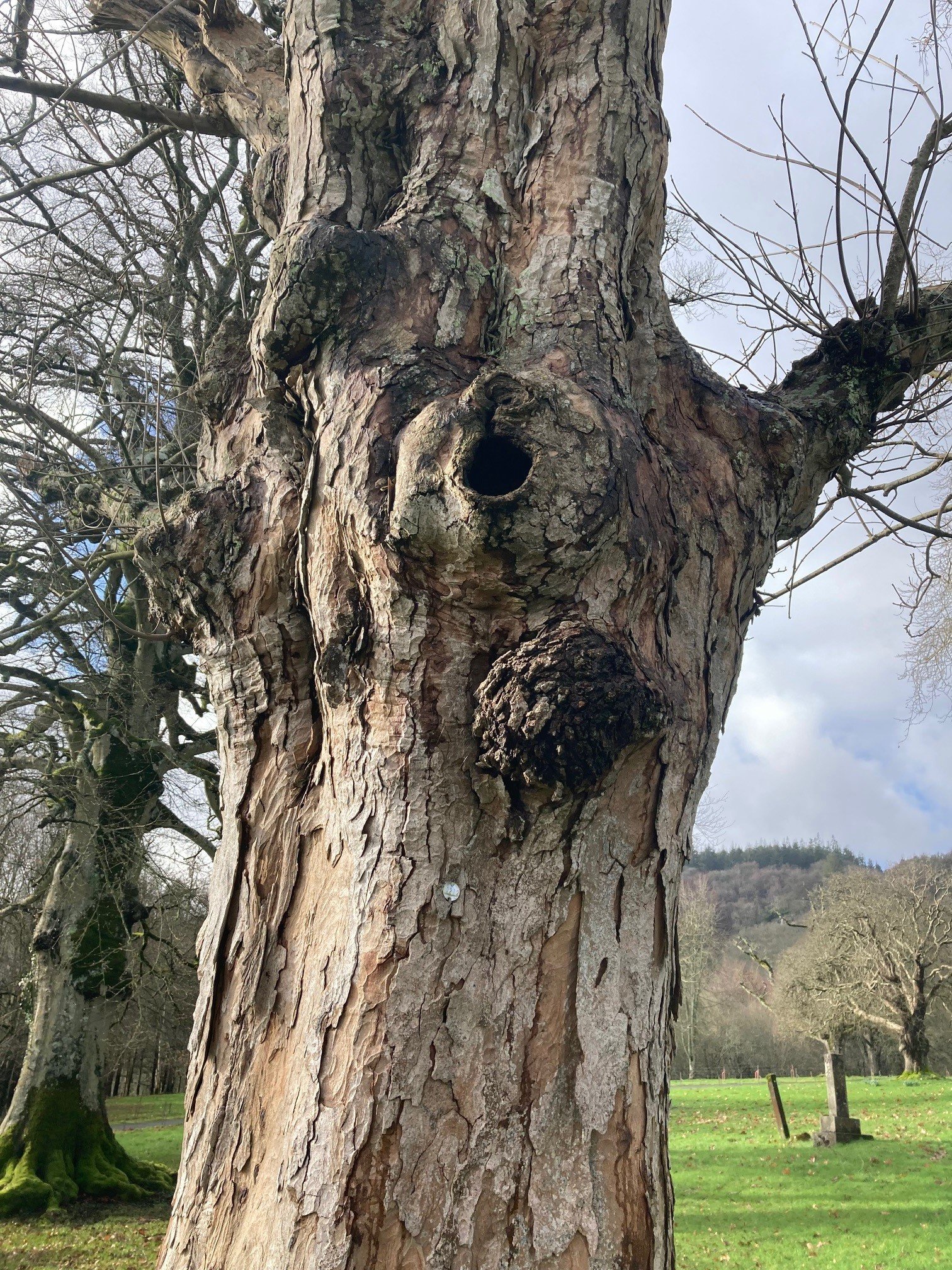
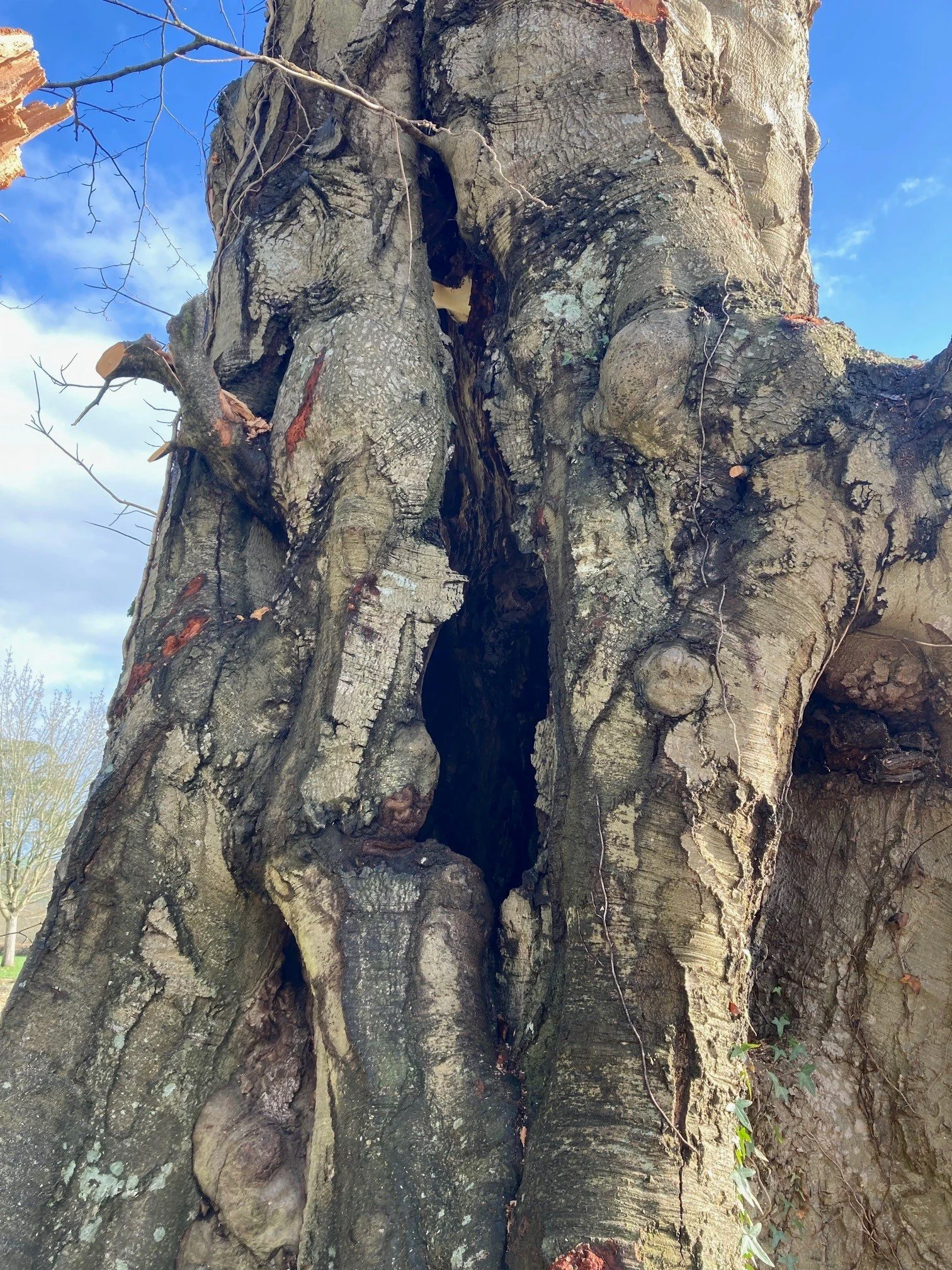
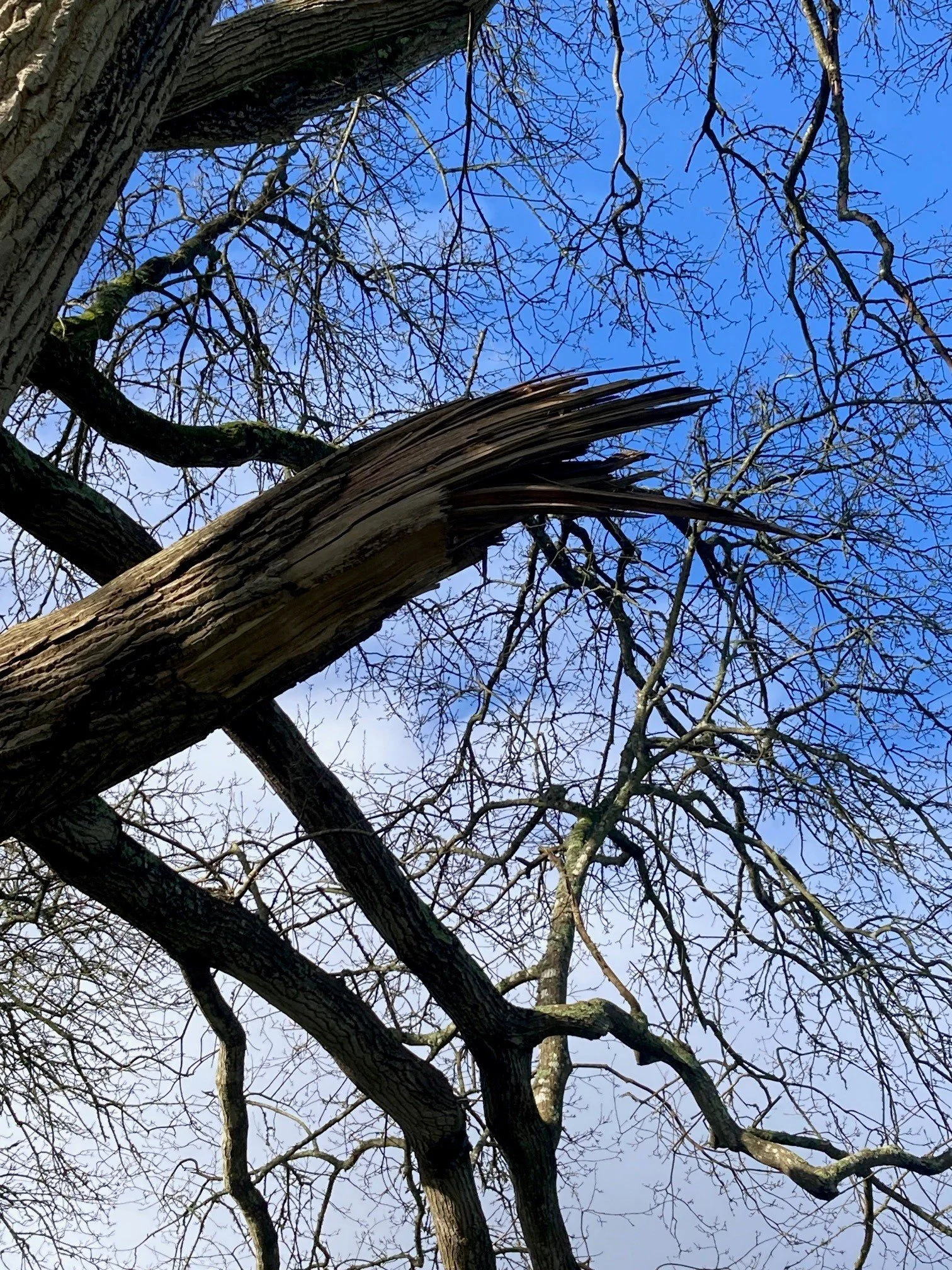
The range of tree habitats that can be used by bats includes:
· Woodpecker holes
· Loose and lifting bark
· Lightning damage or wind damage
· Squirrel holes
· Old pruning cuts or wounds
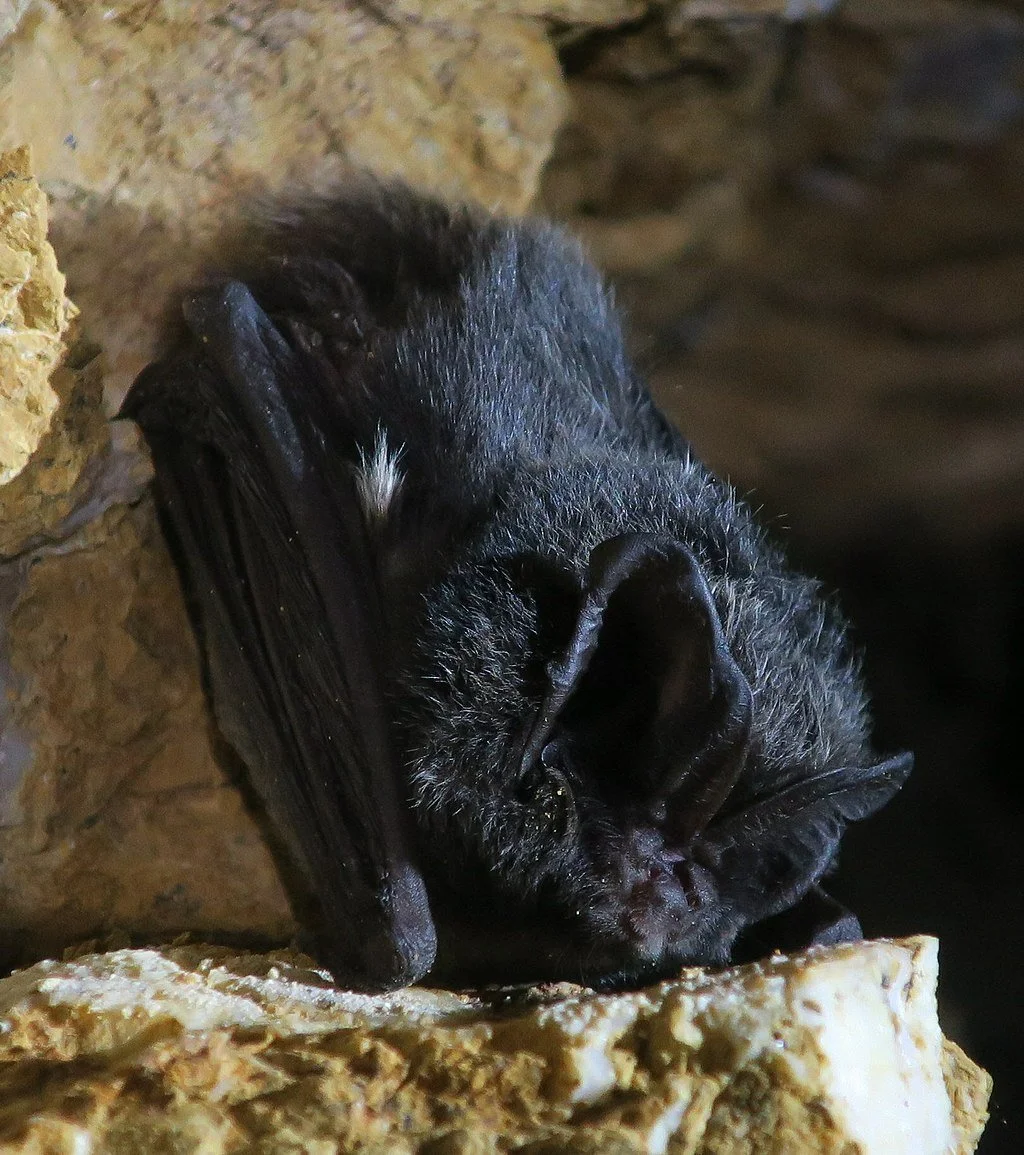
The barbastelle - a true goth bat!
Bat needs can be very diverse depending on the species. Some, like barbastelles (our only true black bat!) like managed trees, for example like those found in orchards, whilst others prefer woodlands with a variety of tree ages and stages. More research still needs to be done to help us understand bats and bat behaviour as much as possible, but what is clearly key is that bats need a range of features in order to thrive. Where safe to do so, maintaining dead or decayed trees and leaving damage or natural breakdown can be highly beneficial by providing a range of habitats and safe spaces for bats to use. Trees which have fruits or pollen can also be beneficial as these attract the insects which bats feed on and can create a fertile hunting ground for them.
Bat activity in trees is at its height in the summer when all of our UK species are active above ground. Female bats will make communal roosts in trees to raise their young, whilst male bats will roost alone or in small bachelor groups, often close to easily accessible food sources.
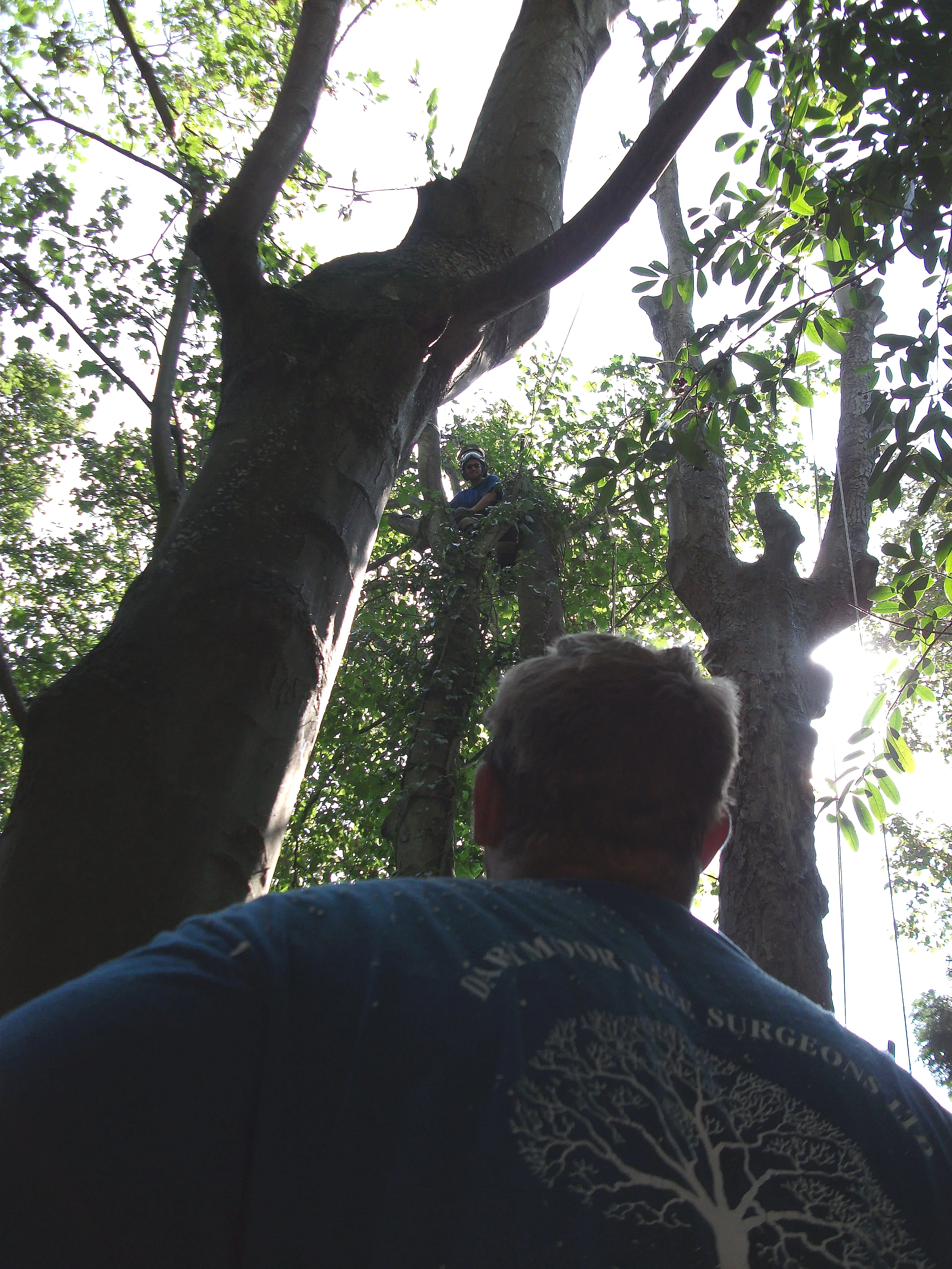
Checking for bats - none found in this case, but we would always rather be sure!
Although some species retreat underground to hibernate through the winter, hardier species like the noctule will hibernate in trees, often in colonies together to preserve their warmth. It can be especially difficult to know that they are present at these times as the usual signs of activity, such as fresh droppings, won’t be present or won’t be as obvious as they would be in the summer. Being aware of which features on a tree might be used by bats is essential for their protection and is something we assess for with every job. When we think that bat activity might be present, we will use a qualified ecologist or bat specialist to make a professional assessment, particularly when a bat might need to be relocated or rescued. It is extremely important that bats are only ever handled by those qualified to do so. This is to ensure that all legal considerations are complied with and also reduces the (already small) risk of disease being spread.
Bats are a charismatic and fascinating part of our native ecosystem. As our landscape develops and changes they are increasingly in need of our interest and support to ensure that they continue to thrive. We are always delighted when we get to play a small part in protecting these wonderful animals
If you are interested in learning more there are a number of excellent sources of information on bats and bats in trees available, such as:
The Bats Conservation Trust - for all things “bat” in the UK, including volunteering opportunities
batlicence.co.uk - if you are interested in formally learning more about bats
The Woodland Trust - for a breakdown of our bat species with pictures!
If you have trees (with or without bats!) and would like our advice, don’t hesitate to get in touch for a free, no obligation quote or an informal chat.